⚡ Meta releases the Muse Gadgets SDK for ESP32 and Raspberry Pi
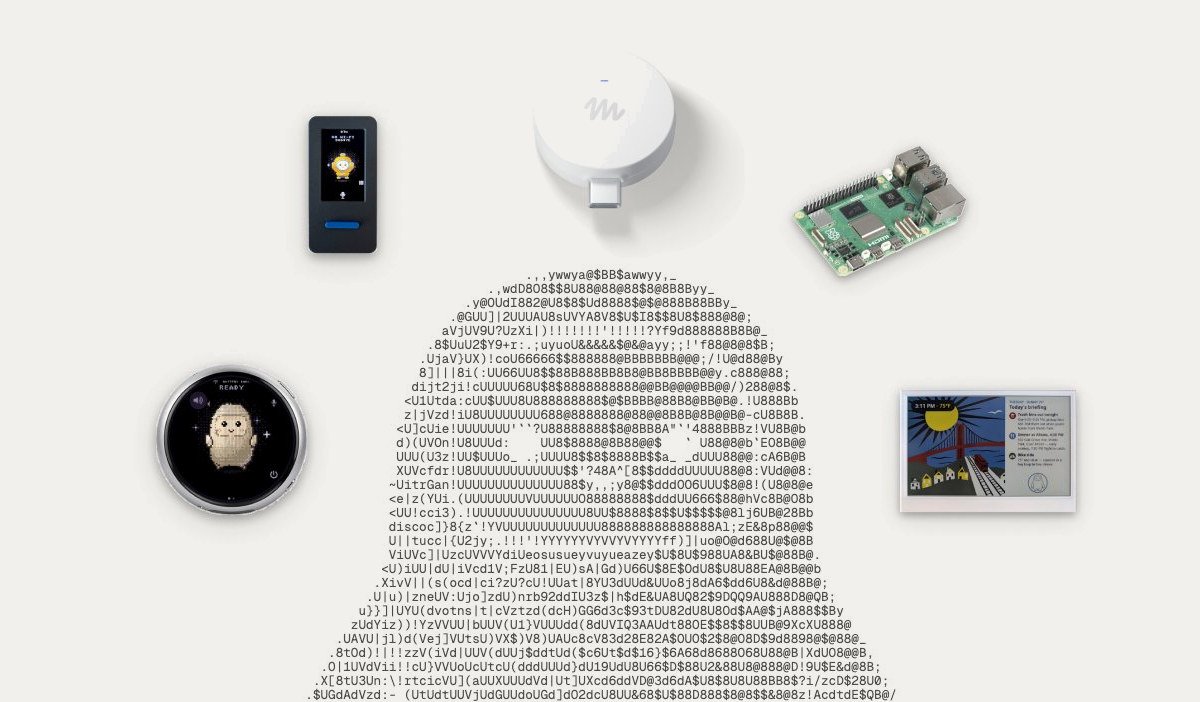
Meta has published the Muse Gadgets SDK on GitHub under an Apache 2.0 license, a kit that lets ESP32 boards and Linux devices such as the Raspberry Pi connect to Muse, the personal AI agent the company launched on 6 September, CNX Software reports. Framed as a "side project" by Nat Friedman, head of product at Meta Superintelligence Labs, the effort aims to turn any connected object into a physical sensor and interface for the assistant.
The repository ships two main SDKs: an ESP32 Device SDK that can display images, handle audio input/output and interface sensors, actuators and buttons; and a Linux Device SDK for Raspberry Pi and other SBCs, which Meta illustrates with sysadmin chores or running a Home Assistant setup. A third directory is packed with "skills" for off-the-shelf devices: Apple HomePod Mini, Brother and Epson printers, ESPHome devices, 3D printers, TVs.
Meta recommends a Raspberry Pi 5, the Waveshare ESP32-S3 touch-AMOLED devkit or the Seeed reTerminal E1002 colour e-ink display to get started — and has manufactured 5,000 Muse Home Link gadgets (ESP32-C5, dual-band Wi-Fi 6, BLE, 802.15.4) to be given free to US Muse subscribers. Pairing goes through the Muse iOS/Android app with a developer token.
Strategic reading: after AI in the cloud and in the pocket, assistants are fighting over the physical world; Meta targeting the ESP32 — home turf of open source and Home Assistant — is a strong signal of where the 2027 battleground lies. Sources: CNX Software, Muse Gadgets SDK GitHub repository.