Arduino UNO R4 Minima
⚡ The essentials in 60 seconds
- mcu — Renesas RA4M1, part R7FA4M1AB3CFM#AA0 — 32-bit Arm Cortex-M4 @ 48 MHz, first 32-bit UNO (datasheet on GitHub, docs page).
- memory — 256 KB flash, 32 KB SRAM, 8 KB EEPROM (emulated from data flash) (docs page; SRAM layout 16 KB ECC + 16 KB parity per Wikipedia — Arduino Nano R4 spec of the same MCU).
- gpu_storage — none (MCU board).
- connectivity — USB-C (device, first UNO with USB-C — docs page); CAN bus (external transceiver required); no radio on this model.
- gpio — 14 digital I/O + 6 analog inputs, 5 V logic (docs page). - ADC: up to 14-bit resolution (docs page). - DAC: onboard 12-bit DAC (docs page). - RTC and HID (mouse/keyboard emulation) peripherals (docs page). - PWM, 2× I²C, 2× SPI, 4× USART at MCU level (RA4M1 family; board manuals map the Arduino-visible instances).
- power — VIN/barrel jack 6–24 V ("Power up to 24 V", docs page); USB-C; onboard op-amp and SWD debug connector (store page).
- On this board : 9 tutorials · 10 code
For many years, the Arduino Uno has been the quintessential entry point for electronics enthusiasts, students, and professional prototypers alike. Its reputation was built on the robustness of its 8-bit microcontroller and a vast ecosystem of shields and tutorials. However, the release of the Arduino UNO R4 Minima in June 2023 marked a significant architectural shift, representing the first time the iconic Uno form factor moved away from its traditional 8-bit roots. This board is not merely an incremental update but a fundamental reimagining of what the Uno platform can achieve, bridging the gap between hobbyist accessibility and professional-grade performance. The R4 Minima is powered by the Renesas RA4M1 microcontroller, specifically the R7FA4M1AB3CFM#AA0 part, which is a 32-bit Arm Cortex-M4 processor running at 48 MHz. To understand the significance of this change, one must look at the limitations of its predecessor, the ATmega328P found in the classic Uno R3. The older chip operated at 16 MHz and offered only 32 KB of flash memory and 2 KB of RAM. In contrast, the RA4M1 on the R4 Minima provides three times the clock speed, eight times the flash memory (256 KB), and sixteen times the RAM (32 KB). This substantial increase in resources allows for more complex algorithms, larger data buffers, and faster processing times, making it suitable for applications that were previously impossible on an Uno-class board.
Despite this leap in processing power, the R4 Minima maintains a crucial feature for long-time users: physical and electrical compatibility with the existing ecosystem. The board retains the familiar UNO R3 outline, meaning that thousands of existing shields—add-on modules for sensors, motors, or communication—can be plugged directly into the R4 Minima without modification. It continues to operate at 5 V logic levels, ensuring that components designed for the original Uno will not be damaged by the new board’s voltage standards. However, this drop-in compatibility comes with a critical caveat that users must understand to avoid damaging their hardware. The general-purpose input/output (GPIO) pins on the R4 Minima have a maximum current drive limit of 8 mA per pin. This is significantly lower than the 20 to 40 mA limits found on the older AVR-based Uno boards. In practical terms, this means that while you can still connect sensors and low-power devices, you cannot directly drive high-current loads such as LED arrays, relays, or loud piezo buzzers with the same ease as before. Attempting to draw more than 8 mA from a single pin may result in dim output, unreliable behavior, or permanent damage to the microcontroller. For such applications, external transistors or driver modules are now mandatory, a shift that encourages better circuit design practices but requires a re-evaluation of older sketches and wiring diagrams.
The R4 Minima also introduces several advanced peripherals that were previously absent from the Uno line, most notably a true 12-bit Digital-to-Analog Converter (DAC) and a 14-bit Analog-to-Digital Converter (ADC). On previous Uno boards, analog output was achieved through Pulse Width Modulation (PWM), which simulates an analog voltage by rapidly switching a digital signal on and off. This method requires external filtering capacitors to smooth the signal and is limited to 8-bit resolution. The onboard 12-bit DAC on the R4 Minima, however, produces a true analog voltage directly, offering much higher precision and a cleaner signal without the need for additional hardware. This makes the board ideal for audio projects, such as generating sine waves or controlling analog actuators with fine granularity. Similarly, the 14-bit ADC allows for much finer measurements of analog sensors compared to the 10-bit ADC of the classic Uno, providing greater detail in sensor readings. These improvements are complemented by the addition of a Real-Time Clock (RTC) and Human Interface Device (HID) support. The RTC allows the board to keep track of time even when powered off, although users should note that without a backup battery, the time resets upon each reboot. HID support enables the board to emulate a USB keyboard or mouse, allowing it to send keystrokes or mouse movements to a connected computer, a feature that opens up new possibilities for automation and accessibility tools.
Connectivity and power management have also been modernized. The R4 Minima is the first Uno to feature a USB-C port for programming and serial communication, replacing the older USB-B connector. This aligns the board with current industry standards and allows for easier integration with modern laptops and devices. The board includes a UF2-style bootloader, which simplifies the process of updating firmware over USB. Additionally, the power input has been expanded to accept voltages ranging from 6 to 24 V via the barrel jack or VIN pin. This wide input range is particularly useful for projects that need to run from higher-voltage power supplies, such as those used for LED strips or motors, allowing the board to regulate its own power from a single source. The board also features an onboard operational amplifier (op-amp) and a Serial Wire Debug (SWD) connector. The SWD connector is a professional-grade interface that allows developers to connect an external hardware debugger, enabling them to step through code line by line and inspect memory in real time. This feature is invaluable for troubleshooting complex applications and learning about low-level microcontroller operations.
Communication protocols have been expanded as well. The R4 Minima includes a CAN bus controller, a robust communication standard widely used in automotive and industrial applications. It is important to note that while the controller is onboard, the board does not include the physical transceiver required to connect to a CAN network. Users must add an external CAN transceiver chip to interface with actual CAN buses, a detail that distinguishes it from boards with integrated physical layers. The board also supports two I2C interfaces, two SPI interfaces, and four USARTs at the microcontroller level, providing ample options for connecting displays, sensors, and other peripherals. However, developers migrating from the older AVR architecture must be aware of software compatibility issues. The R4 Minima uses the ArduinoCore-renesas, which is built on a different architecture than the classic AVR core. Libraries that directly manipulate AVR registers or rely on specific 8-bit integer behaviors will not work without modification. For instance, the behavior of the analogWrite function has changed due to the presence of the true DAC, and users may need to adjust resolution settings in their code. While the Arduino IDE and other tools support this board, developers should be prepared to review and potentially update their existing libraries and sketches to take full advantage of the new hardware capabilities.
In summary, the Arduino UNO R4 Minima represents a powerful evolution of the classic Uno platform. It combines the familiar form factor and shield compatibility that made the Uno a household name with the significant performance boosts of a 32-bit Arm Cortex-M4 processor. The addition of a high-resolution DAC, a 14-bit ADC, USB-C connectivity, and professional debugging tools makes it a versatile choice for both beginners looking to learn modern embedded systems and professionals needing a rapid prototyping platform with enhanced analog capabilities. However, users must carefully manage the lower GPIO current limits and address software portability issues when transitioning from older AVR-based boards. With a price point of €22.00, the R4 Minima offers a compelling balance of cost and capability, serving as a bridge between simple hobbyist projects and more demanding industrial applications. It stands as a testament to Arduino’s commitment to evolving its ecosystem while respecting the legacy of its most popular product line.

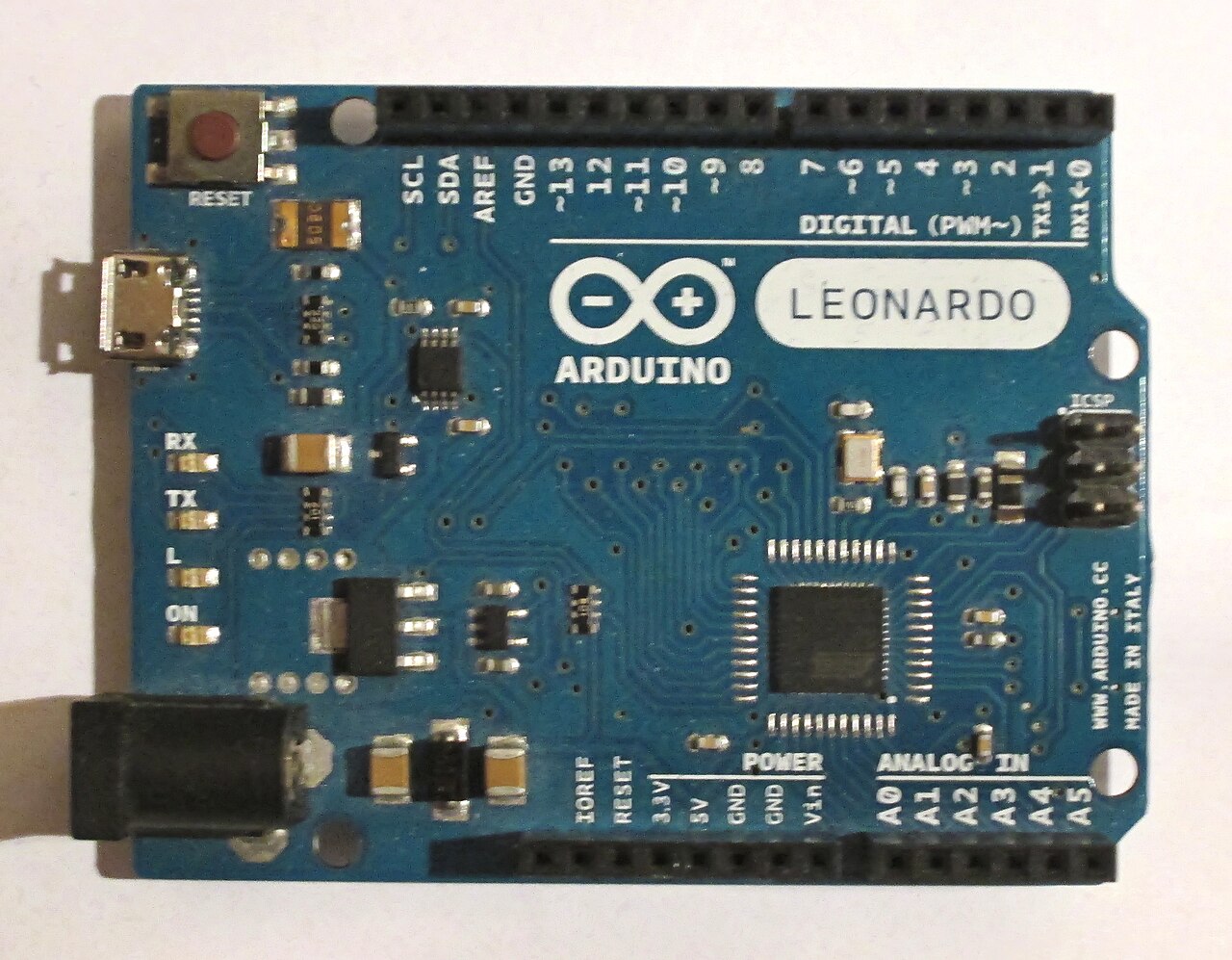
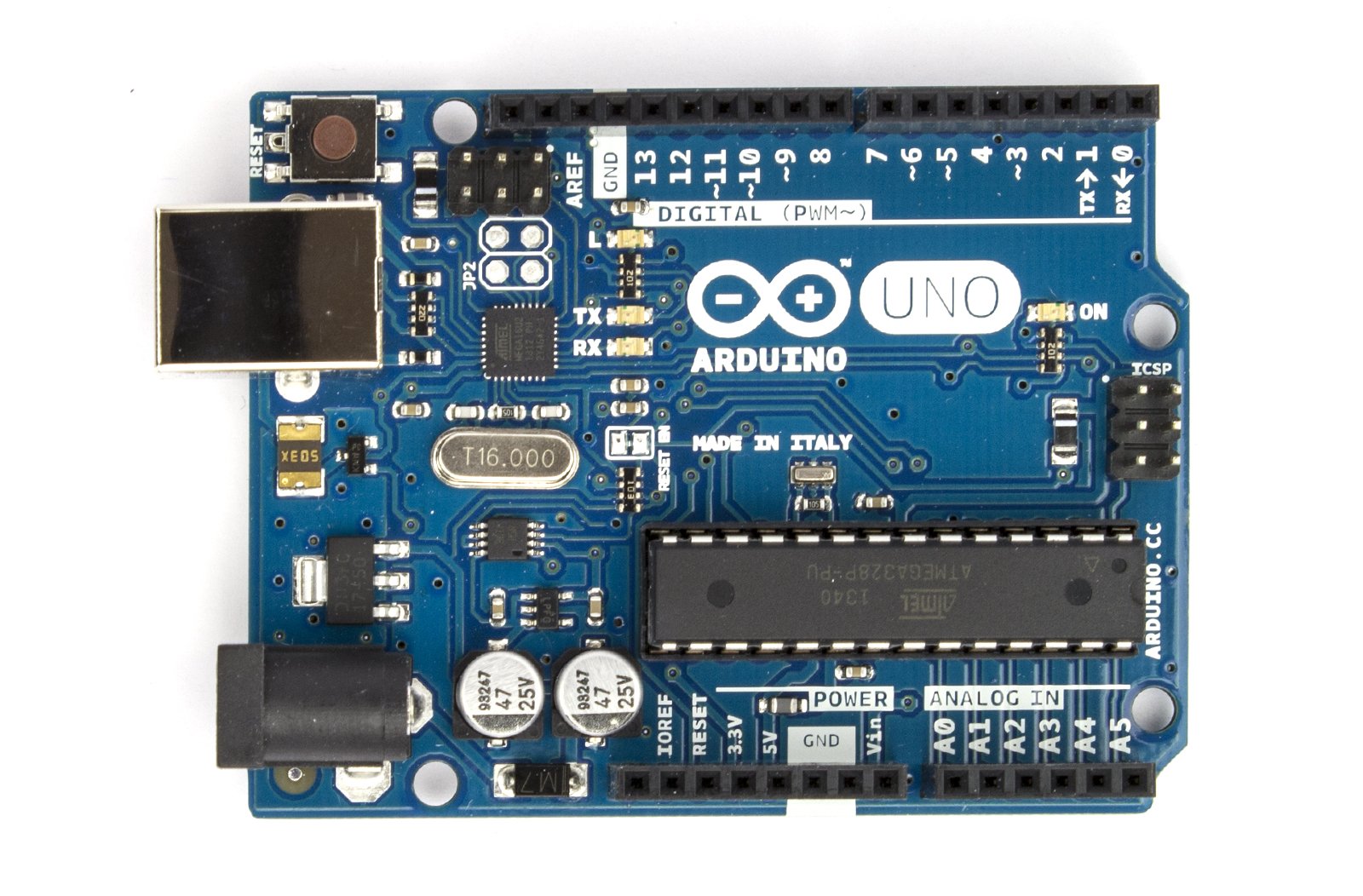
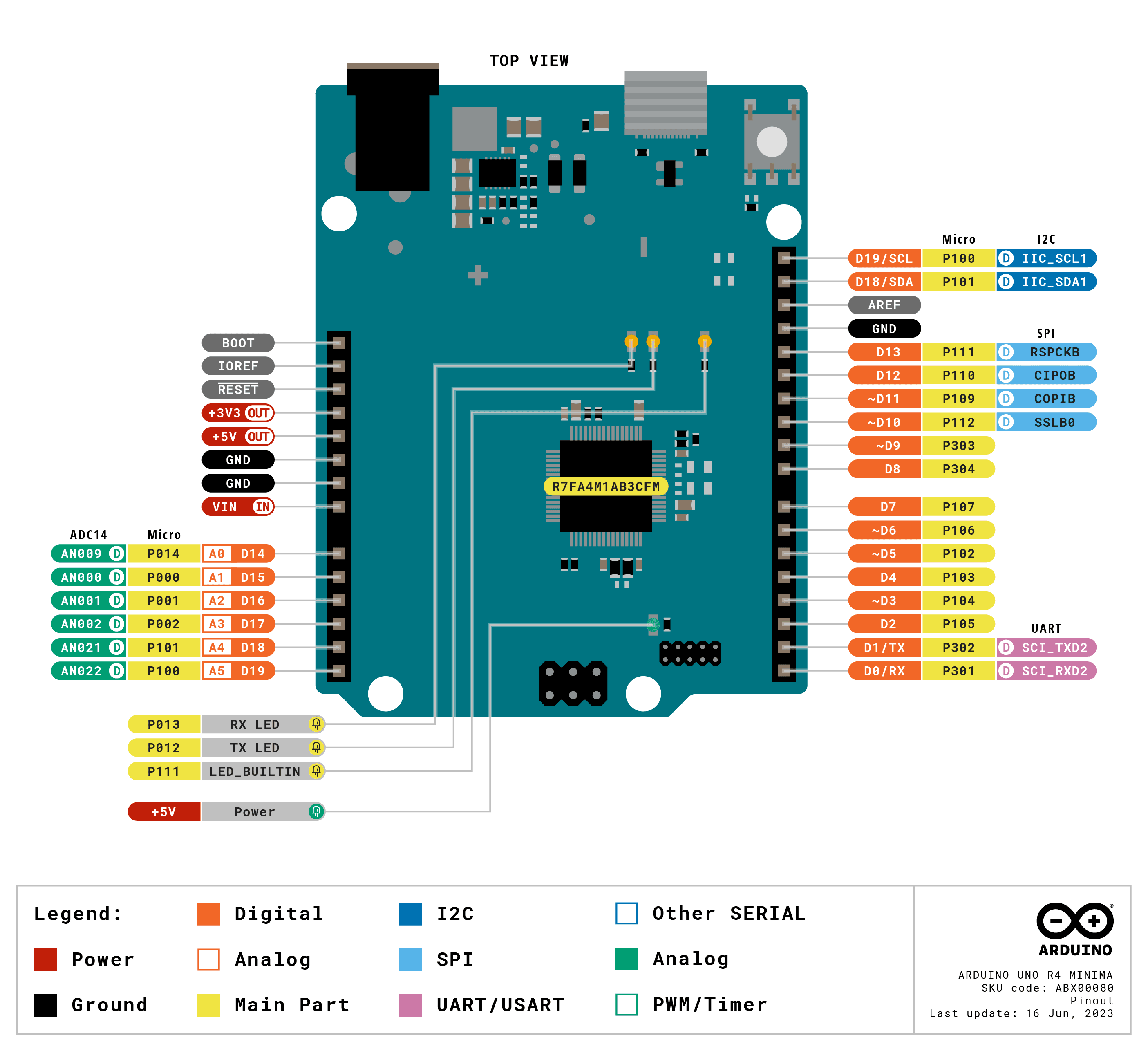
Pinout diagram
| Attr | Specs | verified |
|---|---|---|
mcu | Renesas RA4M1, part R7FA4M1AB3CFM#AA0 — 32-bit Arm Cortex-M4 @ 48 MHz, first 32-bit UNO (datasheet on GitHub, docs page). | ✔ |
memory | 256 KB flash, 32 KB SRAM, 8 KB EEPROM (emulated from data flash) (docs page; SRAM layout 16 KB ECC + 16 KB parity per Wikipedia — Arduino Nano R4 spec of the same MCU). | ✔ |
gpu_storage | none (MCU board). | ? unverified |
connectivity | USB-C (device, first UNO with USB-C — docs page); CAN bus (external transceiver required); no radio on this model. | ✔ |
gpio | 14 digital I/O + 6 analog inputs, 5 V logic (docs page). - ADC: up to 14-bit resolution (docs page). - DAC: onboard 12-bit DAC (docs page). - RTC and HID (mouse/keyboard emulation) peripherals (docs page). - PWM, 2× I²C, 2× SPI, 4× USART at MCU level (RA4M1 family; board manuals map the Arduino-visible instances). | ✔ |
power | VIN/barrel jack 6–24 V ("Power up to 24 V", docs page); USB-C; onboard op-amp and SWD debug connector (store page). | ✔ |
current_limit | max 8 mA per GPIO — "significantly lower than previous versions. Exceeding this limit may damage your pin / board" (tech-specs note, GitHub docs-content). | ✔ |
form_factor | UNO R3-compatible outline and 5 V operating voltage (store page). | ✔ |
- Manufacturer: Arduino (arduino.cc / Arduino AG), with the MCU co-developed with Renesas.
- Year: Released June 2023 — "In June 2023, Arduino released two new flavors of the Uno; R4 Minima and R4 Wifi" (Wikipedia — Arduino Uno).
- Status: Active, current product (store page, docs page).
- Price: €22.00 incl. VAT on the official store, retrieved 2026-10-13 (store page).
- Variants: UNO R4 WiFi (adds ESP32-S3 + LED matrix + Qwiic); board P/N ABX00080 per the official datasheet PDF.
+ Strengths
- First 32-bit UNO: 3× the clock, 8× flash, 16× SRAM vs the ATmega328P Uno R3 (48 MHz vs 16 MHz; 256 KB/32 KB vs 32 KB/2 KB — docs vs Wikipedia Uno).
- 12-bit DAC for audio projects, 14-bit ADC, RTC, HID keyboard/mouse emulation (docs page).
- CAN bus controller onboard (needs external transceiver) (docs page).
- 24 V-tolerant power input — run motors/LED-strip rails from one supply (store page).
- USB-C + SWD debug + op-amp — first UNO with all three (store page, docs page).
- Drop-in shield compatibility with the UNO R3 form factor at 5 V (store page).
− Weaknesses
- 8 mA GPIO drive limit — far below the AVR Uno's 20–40 mA; LED arrays, relays and loud piezo buzzers that worked on an R3 can be dim/quiet or damage pins (tech-specs note).
- AVR library incompatibility: the core is a different architecture (ArduinoCore-renesas); libraries using AVR registers, avr/interrupt.h, or assuming 8-bit int semantics need porting.
- analogWrite semantics changed: with a true 12-bit DAC present, resolution defaults differ from AVR 8-bit PWM — old sketches need analogWriteResolution review.
- CAN requires an external transceiver — the header exposes only the controller side (docs page).
- No wireless — unlike the R4 WiFi sibling, there is no ESP32-S3 or Qwiic on this board (docs page — R4 WiFi).
- Retour d'expérience expert expert — expert-arduino
- Le passage a l'Uno R4 Minima est globalement positif pour la puissance brute : le Cortex-M4 a 48 MHz et les 256 KB de flash changent la vie par rapport a l'ATmega328P. Le DAC 12-bit et l'ADC 14-bit sont excellents pour la mesure precise sans ajouter de composants externes. Attention toutefois au pi… — expert-arduino
- Je confirme le souci des 8 mA, j'ai perdu une après-midi a comprendre pourquoi mon buzzer etait inaudible. C'est frustrant quand on a l'habitude des shields UNO standards. Par contre, la compatibilite physique est bien la, les shields s'enclenchent sans problème. J'ai une question precise concernan… — maker-99
- Pour ta question moteur-99, non, il n'y a pas de magic bullet pour les registres AVR. Si ta lib utilise avr/interrupt.h ou modifie les registres TCCR, le code ne compilera pas ou ne fonctionnera pas. Il faut imperativement migrer vers les fonctions analogWrite et les timers exposes par l'IDE Arduin… — silicium-bleu
Community feedback and projects
- Put the UNO R4 Minima to LPM (Low Power Mode) forum.arduino.cc
- UNO R4 Minima WDT disable forum.arduino.cc
- Uno R4 Minima Clone Overheating forum.arduino.cc
- Difficulty using the Debugger in 2.3.4 with R4 Minima forum.arduino.cc
- Arduino R4 Minima CAN bus delay required between sending messages forum.arduino.cc
- ABX00080-datasheet.pdf datasheet
- 8 mA GPIO drive limit — far below the AVR Uno's 20–40 mA; LED arrays, relays and loud piezo buzzers that worked on an R3 can be dim/quiet or damage pins (tech-specs note).
- AVR library incompatibility: the core is a different architecture (ArduinoCore-renesas); libraries using AVR registers, avr/interrupt.h, or assuming 8-bit int semantics need porting.
- analogWrite semantics changed: with a true 12-bit DAC present, resolution defaults differ from AVR 8-bit PWM — old sketches need analogWriteResolution review.
- CAN requires an external transceiver — the header exposes only the controller side (docs page).
- No wireless — unlike the R4 WiFi sibling, there is no ESP32-S3 or Qwiic on this board (docs page — R4 WiFi).
- Blink on the UNO R4 Minima: your first 32-bit UNO debutant Schéma : IMG-uno-r4-minima-debutant-1-clignoter-led-r4-minima.svg — Arduino UNO R4 Minima vue de dessus, câble USB-C branché, LED « L » (pin 13) surlignée avec une flèche, puce RA4M1 annotée 48 MHz.
- Read a potentiometer with the 14-bit ADC debutant Schéma : IMG-uno-r4-minima-debutant-2-potentiometre-adc-14-bits.svg — UNO R4 Minima avec potentiomètre 10 kΩ sur A0 (5 V / A0 / GND), moniteur série affichant des valeurs 0–16383, badge ADC 14 bits.
- A 1 kHz sine on the 12-bit DAC (A0) debutant Schéma : IMG-uno-r4-minima-debutant-3-dac-sine-a0.svg — UNO R4 Minima, broche A0 reliée à un buzzer piézo amplifié ou une entrée d'oscilloscope, sortie sinusoïdale 1 kHz dessinée, badge DAC 12 bits.
- Type with your board: HID keyboard over USB-C intermediaire Schéma : IMG-uno-r4-minima-intermediaire-1-hid-clavier-usb.svg — UNO R4 Minima par USB-C sur un PC, bouton poussoir sur pin 2 vers GND, fenêtre de traitement de texte affichant « Hello UNO R4! », badge HID.
- RTC timestamps and a minute alarm (no battery!) intermediaire Schéma : IMG-uno-r4-minima-intermediaire-2-rtc-alarme-sans-pile.svg — UNO R4 Minima avec RTC RA4M1 annoté, LED sur pin 13, moniteur série affichant un horodatage ISO, icône batterie barrée pour le RTC.
- CAN bus between two R4 Minimas (external transceiver required) intermediaire Schéma : IMG-uno-r4-minima-intermediaire-3-can-bus-deux-cartes.svg — deux UNO R4 Minima, chacune avec un transceiver CAN (SN65HVD230) relié à ses broches CAN, bus différentiel CANH/CANL terminé par 120 Ω aux deux extrémités.
- Step through RA4M1 code with a SWD debugger avance Schéma : IMG-uno-r4-minima-avance-1-debug-swd-cortex-debugger.svg — UNO R4 Minima avec le connecteur de debug SWD embarqué surligné, nappe 4 fils vers une sonde CMSIS-DAP (SWDIO, SWCLK, GND, 3V3), IDE affichant un breakpoint.
- Mini sample player on the 12-bit DAC avance Schéma : IMG-uno-r4-minima-avance-2-mini-lecteur-audio-dac.svg — UNO R4 Minima, broche A0 vers un petit amplificateur (TPA2006) puis haut-parleur, tableau de 256 échantillons 8 bits en flash, sortie audio annotée.
- Porting an AVR Uno sketch to the Renesas core avance Schéma : IMG-uno-r4-minima-avance-3-porter-un-sketch-avr.svg — UNO R4 Minima à côté d'une UNO R3, flèche de migration au-dessus, icônes barrées avr/interrupt.h et registres AVR, badges 8 mA, analogWriteResolution et int 32 bits.
Code library — examples written for this board
clignotante.inoArduinobouton-poussoir.inoArduinodac-analogique.inoArduinoentree-analogique.inoArduinopwm-respiration.inoArduinoservo-balayage.inoArduinocapteur-dht11.inoArduinoruban-neopixel.inoArduinocommande-serie.inoArduinomelodie-buzzer.inoArduino
Examples and repos found online
- arduino/ArduinoCore-renesas github.com
- arduino-libraries/Servo github.com
- PerfecXX/Arduino_UNOR4 github.com
- KkingGz/Kabin-AI-Smart-Home-Assistant github.com